Hypertension in Children

Dr Samuel Blay Nguah

Department of Child Health
Kwame Nkrumah University of Science and Technology

Outline


  • Definition
  • Current outlook & risks
  • BP measurement
  • Diagnostic criteria for hypertension
  • Investigation
  • Treatment

Hypertension


Definition (Flynn et al.,2017)

Blood pressure at or above the 95th percentile for children with the same SEX, AGE and HEIGHT.
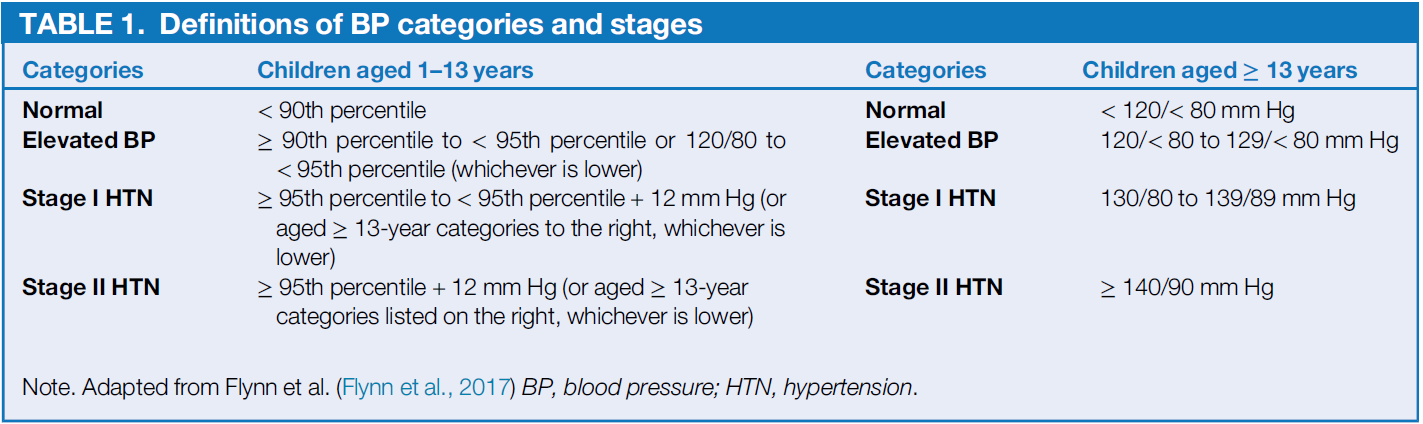
Current Outlook


  • This leads to early-onset complications of hypertension
  • Increases prevalence of hypertension in adulthood
  • Commoner in Black and Hispanics
  • Commoner in males
  • 3.5% of US children have hypertension
  • Increased incidence of dyslipidemia, pre-diabetes
  • Primary hypertension is now more common in the USA (esp. >6 years, obesity)
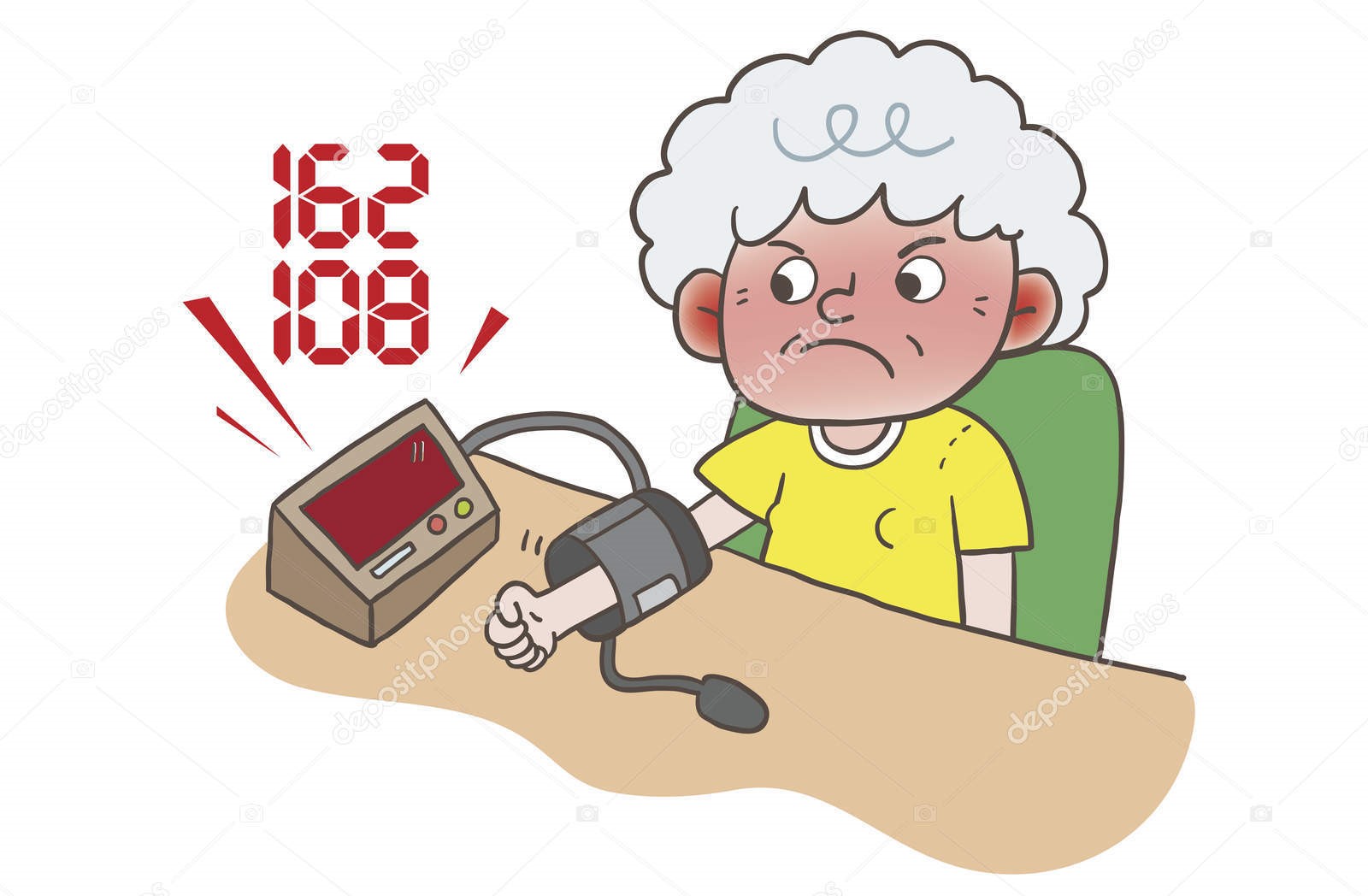
Africa/Ghana
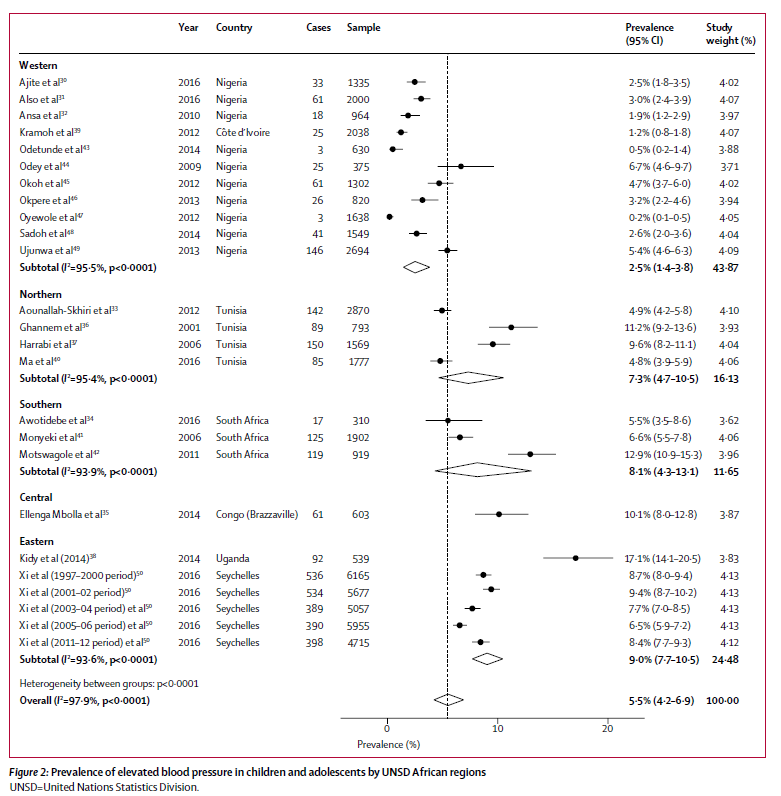

Noubiap, et. al, 2022
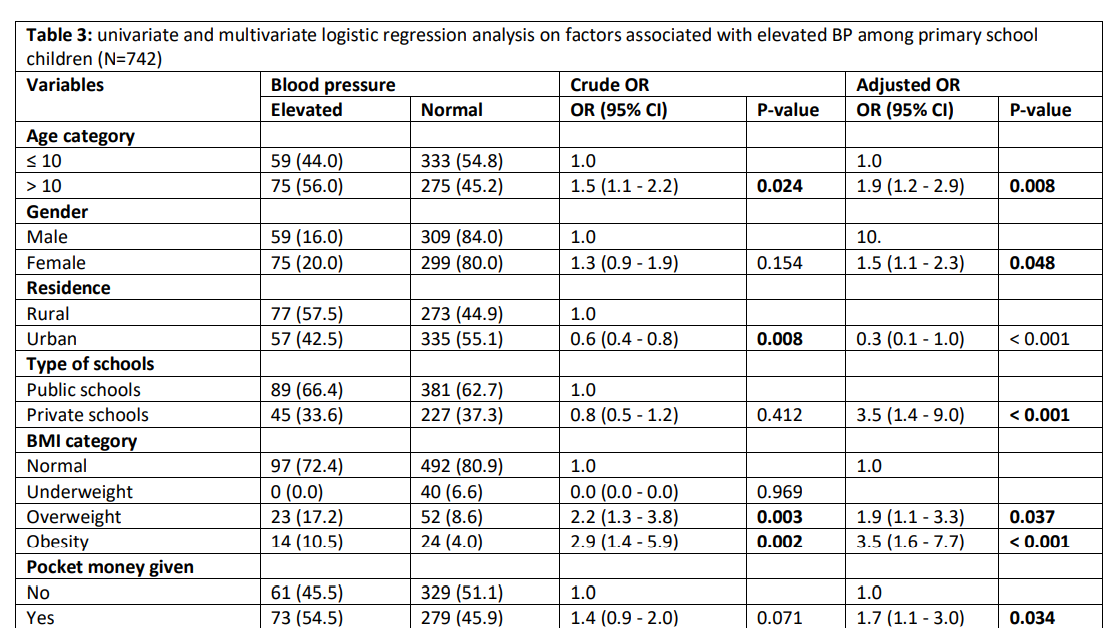
Sungwa, et. al, 2022
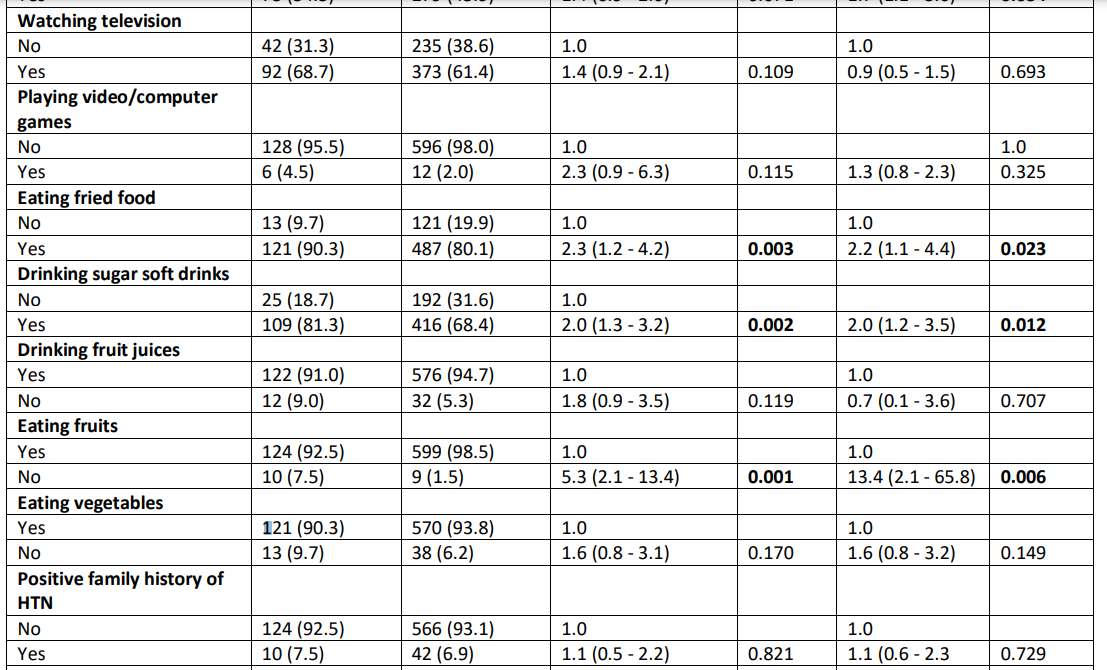
Overall, 8.5% (n = 51) of children out of the 600 had elevated blood pressure. Elevated blood pressure was significantly prevalent among obese children 18.2% (n = 12), followed by overweight 13.4% (n = 9) and the normal weight of 6.4% (n= 30) for school children (p = 0.002).
(Taiba et. al, 2022)

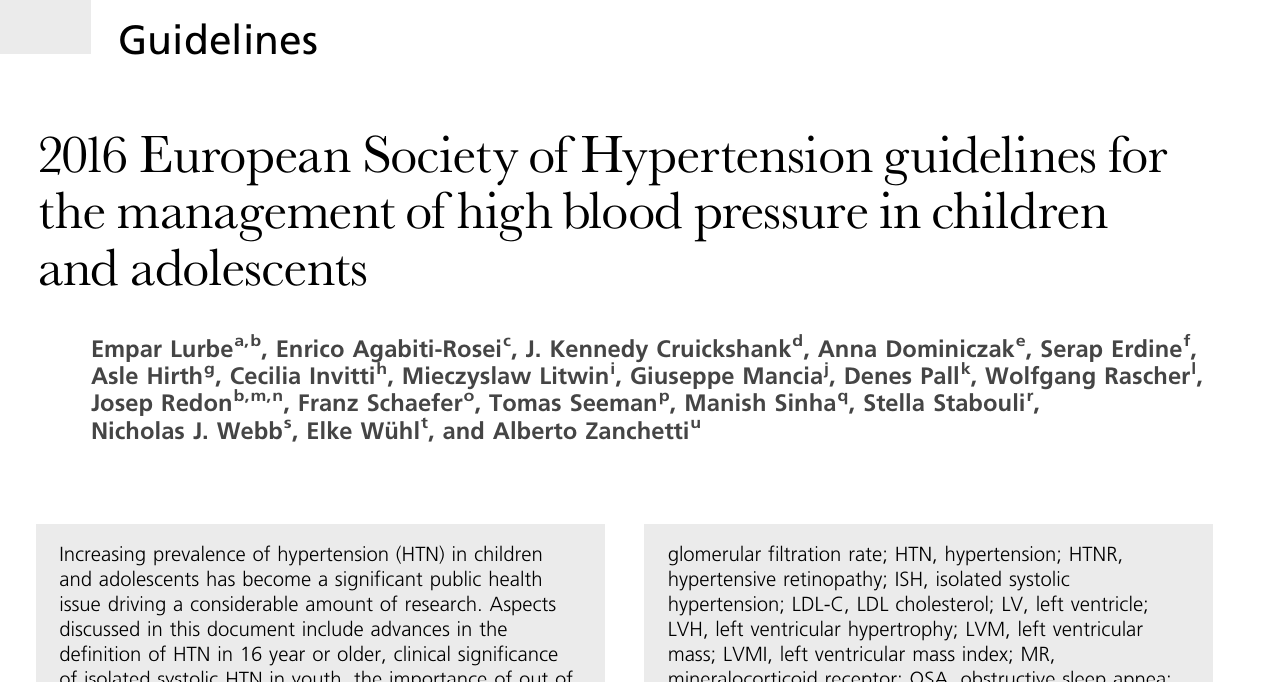
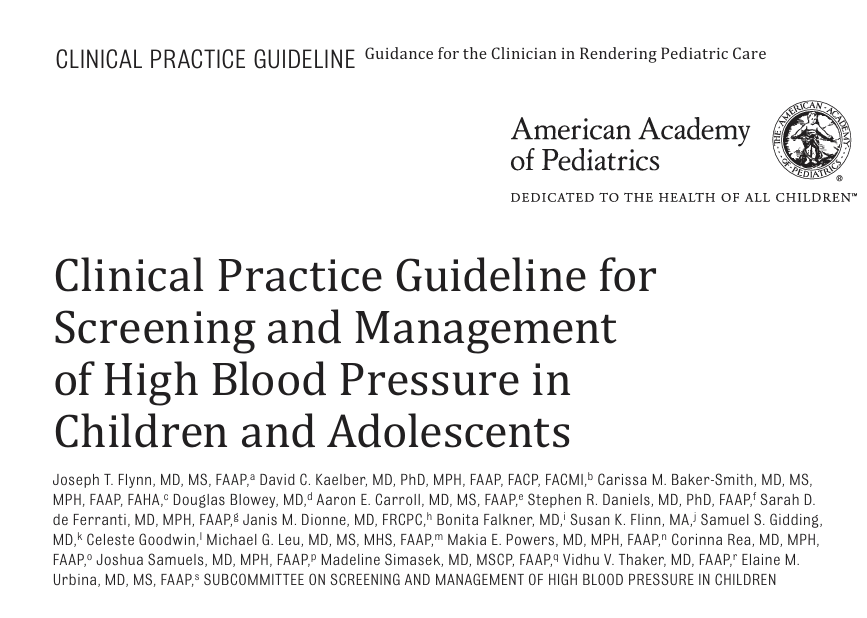
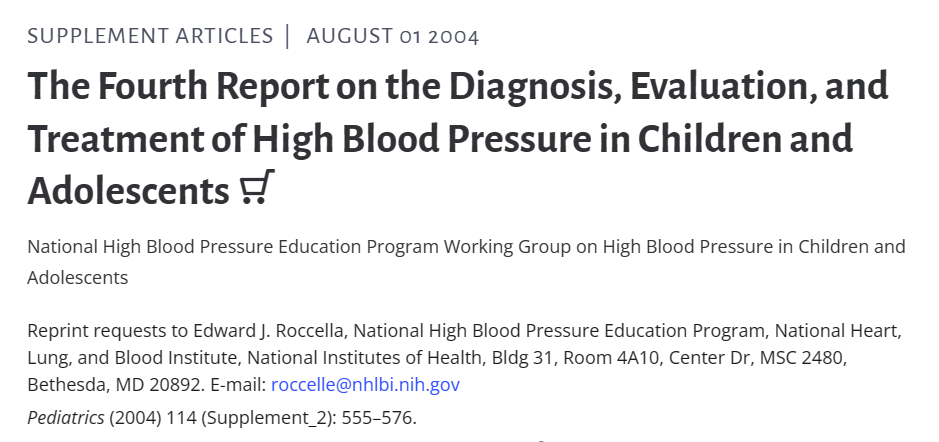
Guidelines…

Measuring BP


How?

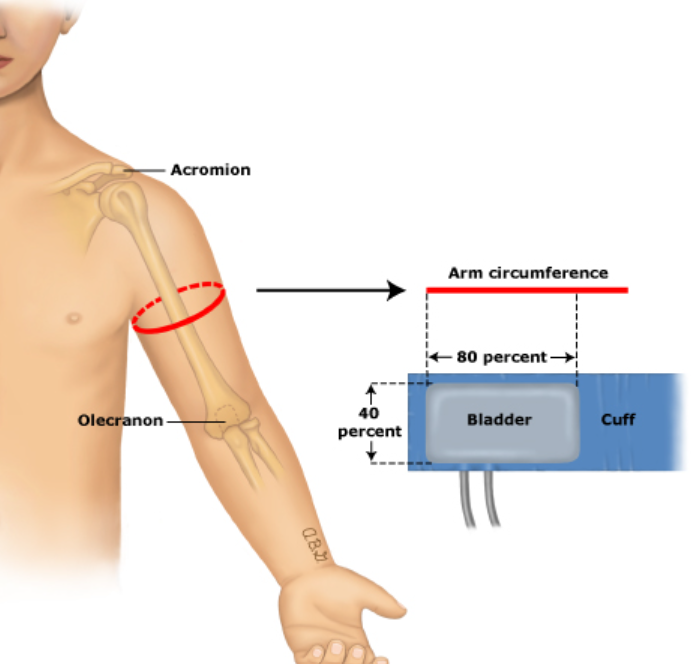
  • Rest for 5 mins
  • Sit upright, feet on the floor
  • Right arm
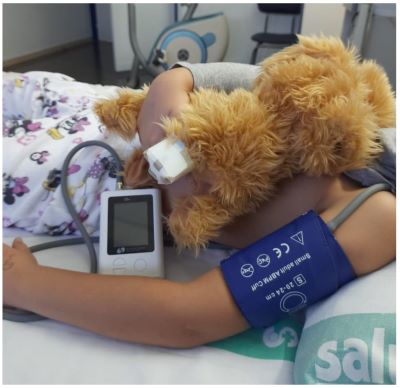
  • Appropriate cuff size
    • Bladder length = 80-100% of arm circumference
    • Bladder width >= 40% of arm circumference
Measuring BP


Equipment?

  • Auscultatory
    • This is the best method
    • Use K1 (Systolic) and K5 (Diastolic)
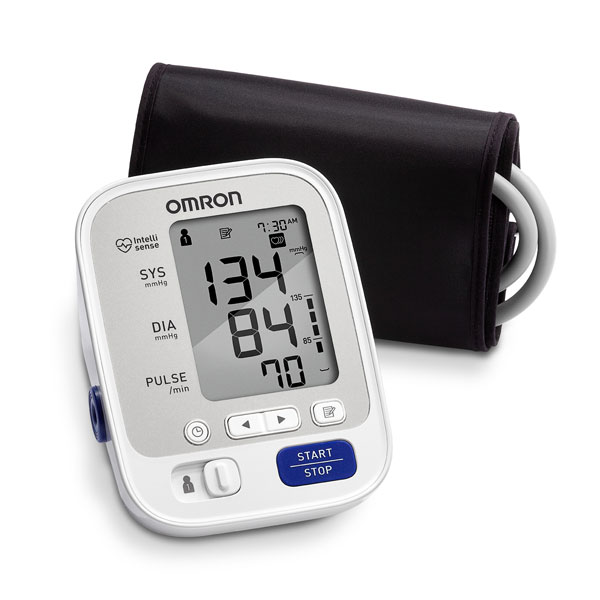
  • Oscillometric
    • Should be validated first
    • Usually about 5-10mmHg above the auscultatory method
    • Repeat with auscultatory method if > 90th percentile
Measuring BP


Who?

  • > 3 years old - Yearly
  • > 3 years with risk factors - Every encounter
    • E.g.: Renal disease, Obesity, Diabetes, CoA, Hypertension associated medications
  • < 3 years old with risks - Every encounter
    • Extreme prematurity, NICU care, VLBW, CHD,
    • Recurrent UTI, Hematuria, Renal disease, Family history of Renal disease, etc.
    • Turner’s syndrome

Measuring BP


Procedure

  • Measure the child’s height
  • Determine the height centile.
    • If the height centile falls between 2 centiles, use the closest centile.
    • Otherwise, use the lower height centile.
  • 3 measurements, average last 2
  • Determine the blood pressure centile.
  • Classify blood pressure using the definitions below.
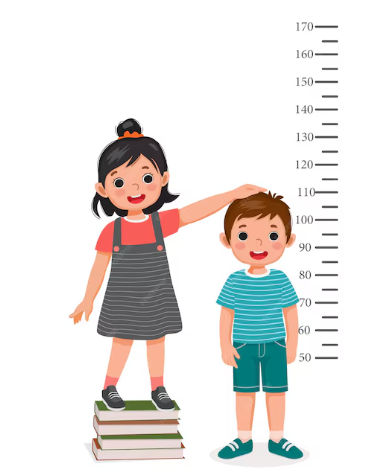
Measuring BP
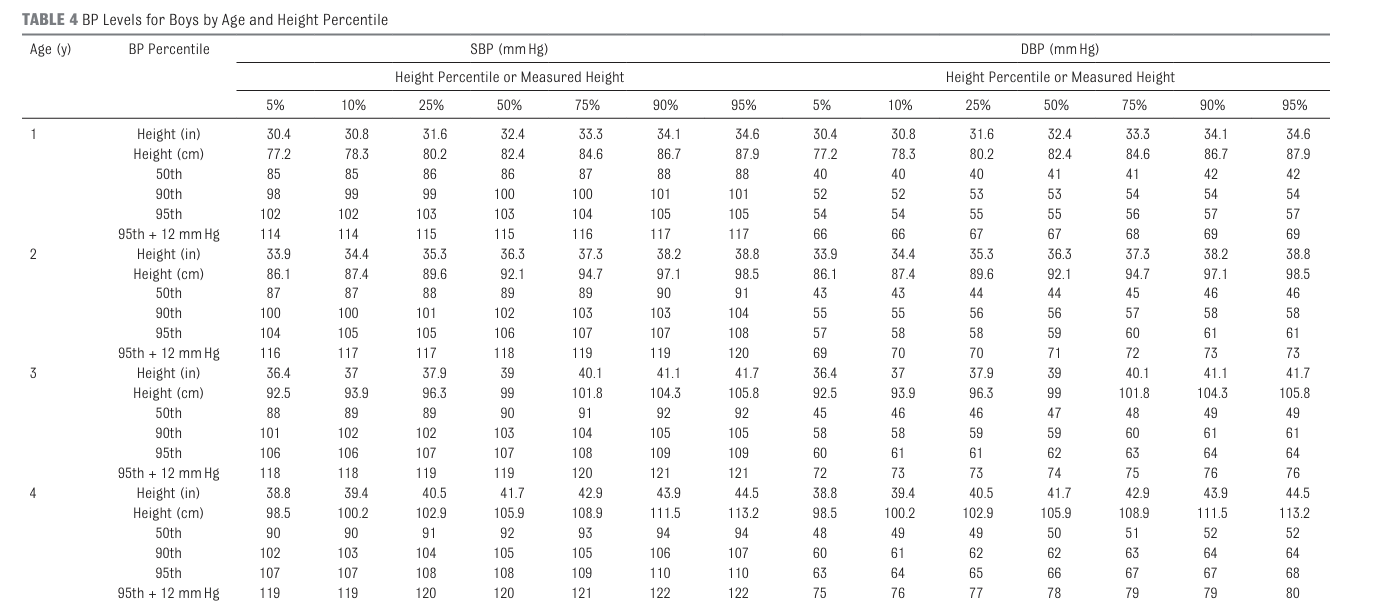

Measuring BP


Classification

What next?


Normal BP

  • Measure again in a year
  • Healthy lifestyle
    • Low salt diet, Regular exercise, Weight control

Elevated BP

  • Lifestyle modification
  • Repeat 4 limbs BP in 6 and 12 months
  • If still elevated BP then ABPM

Stage I

  • Lifestyle modification
  • Repeat in 1-2 weeks for 4 limb BPs
  • Repeat in 3 months
  • If elevated, ABPM ± Drug treatment

What next?


Stage II

  • 4 limb BPs check
  • Should repeat in 1 week, within which ABPM ± Drug treatment ± Other investigations

Greater than 13 years

  • Repeat BP at the same visit
  • Classify accordingly

Emergency referral

  • Symptomatic
  • Stage II hypertension
    • BPs >30mmHg above 95th percentile in children or
    • >= 180/120mmHg in adolescents
  • They have a high risk of hypertensive emergency

Clinical evaluation


History & Examination

  • Associated symptoms
    • Chronic Headache, tinnitus, visual disturbance, etc
  • Possible cause of hypertension
    • Renal: UTI,
    • Cardiac: Palpitation, easy fatiguability, etc
    • Metabolic: Cushing’s syndrome, etc
    • Medications: Steroids, NSAIDs
    • Genetic disorders - William’s syndrome, Turner’s syndrome


  • Possible cause of hypertension
    • Newborn issues: Prematurity, Low birth weight, maternal hypertension, etc
    • Endocrine: Hyperthyroidism, Congenital Adrenal Hyperplasia, etc
    • Nutritional: Obesity, Overweight, Increased salt intake
    • Oncoligcal: Phaechromaocytoma, Neuroblastoma

Ambulatory BP Monitoring


  • Measures every 20-30mins for 24 hours
  • Improved accuracy
  • A better predictor of end-organ damage
  • Diurnal variation in BP
  • Assess nocturnal dipping
  • Better reflect daily BP status

Laboratory


All hypertensives

  • Electrolytes
  • Blood urea nitrogen and creatinine
  • Urinalysis
  • Lipid profile

Obese hypertensives

  • Fasting lipid profile
  • Hemoglobin A1C
  • AST, ALT

Others

  • Based on the clinical presentation
  • Echocardiogram to determsine
    • End organ damage & for follow-up

Therapy


Goal

  • BP < 90th percentile OR
  • BP < 130/80 mmHg

Assymptomatic

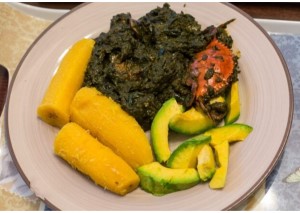
  • Healthy diet
    • Low salt, oils, sweetened-beverages
    • Lean protein source: meat, fish, legumes, etc
    • Veges, fruits
  • Regular exercise (3-5 days a week, 30-60 minutes)

Pharmacological Therapy


Who?

  • 6 months after lifestyle changes
  • Symptomatic
  • Lack of modifiable factors
  • Stage II
  • Chronic kidney disease
  • Diabetes mellitus

What?

  • Long-acting (once-daily medication)
  • Maximise dosage over 2-4 weeks before adding on
  • Consider underlying conditions
  • ACE-I and ARBs
  • Beta-blocker
  • Calcium channel blocker
  • Diuretic
  • Others (methyl dopa, etc)

Combining drugs


Take home


  • Hypertension in children is commoner than we think
  • All children > 3 years should be screened yearly for hypertension
  • Let’s preach and practice a “Healthy Lifestyle”

Thank you! 🙏

Ghanaian Society of Cardiology

1 / 22
Hypertension in Children Dr Samuel Blay Nguah Department of Child Health Kwame Nkrumah University of Science and Technology

  1. Slides

  2. Tools

  3. Close
  • Hypertension in Children
  • Outline
  • Hypertension
  • Current Outlook
  • Africa/Ghana
  • Guidelines…
  • Measuring BP
  • Measuring BP
  • Measuring BP
  • Measuring BP
  • Measuring BP
  • Measuring BP
  • What next?
  • What next?
  • Clinical evaluation
  • Ambulatory BP Monitoring
  • Laboratory
  • Therapy
  • Pharmacological Therapy
  • Combining drugs
  • Take home
  • Thank you! 🙏
  • f Fullscreen
  • s Speaker View
  • o Slide Overview
  • e PDF Export Mode
  • b Toggle Chalkboard
  • c Toggle Notes Canvas
  • d Download Drawings
  • ? Keyboard Help